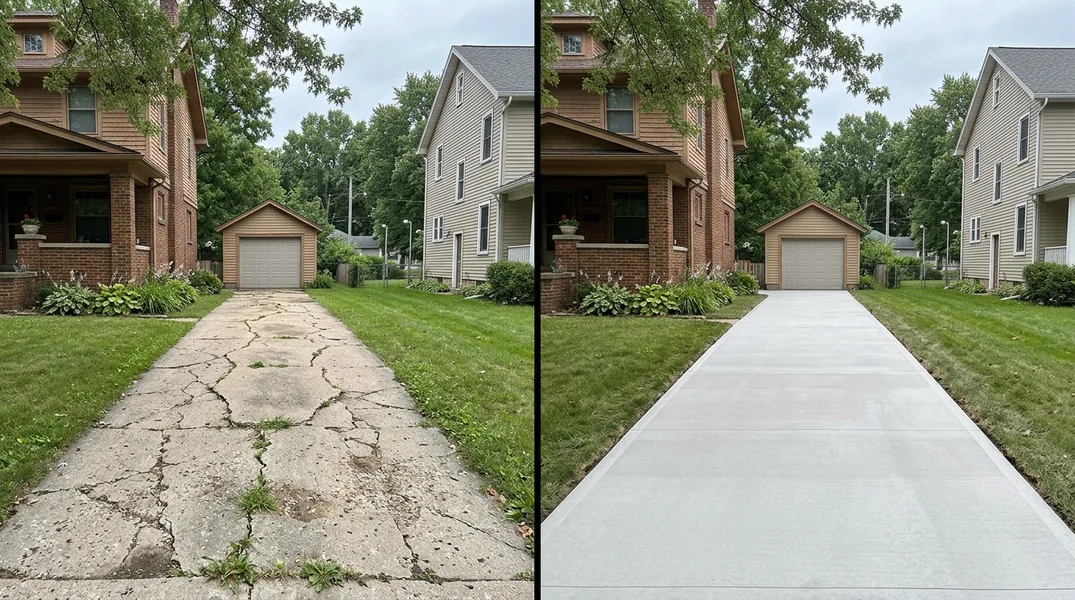
Why Timing Matters for Concrete Pouring in Michigan
If you're planning a Concrete Driveways project or any other concrete work in Grand Rapids, you might assume that concrete can be poured any time of year. The reality is far more nuanced. Concrete curing is a chemical process that depends heavily on temperature, moisture, and weather conditions. Pour concrete at the wrong time, and you risk compromised durability, cracking, scaling, and premature failure. Pour it at the right time, and your investment will last decades with minimal maintenance.
Michigan's climate presents unique challenges for concrete contractors. The state experiences dramatic seasonal temperature swings, from sub-zero winters to warm summers. These fluctuations directly impact how concrete sets, hardens, and performs over time. Understanding when to pour concrete Michigan homeowners should prioritize this knowledge as part of their project planning. Whether you're installing a new driveway, Concrete Patios, or considering Stamped & Decorative Concrete, the season you choose will influence the final quality and longevity of your concrete.
The Ideal Concrete Pouring Season in Grand Rapids
Late spring through early fall represents the optimal concrete pouring season Grand Rapids contractors recommend most often. Specifically, May through September offers the most favorable conditions for concrete work. During these months, daytime temperatures typically range between 50 and 85 degrees Fahrenheit, which is the sweet spot for concrete curing. Concrete needs warmth to cure properly, but excessive heat can cause rapid moisture loss and surface cracking. The moderate temperatures of late spring and summer allow the concrete to cure at an ideal pace, developing strength gradually and uniformly.
Spring and early summer bring another advantage: lower humidity levels compared to late summer and fall. While some moisture is necessary for concrete hydration, excessive humidity can trap moisture in the concrete and lead to scaling and spalling when freeze-thaw cycles arrive in winter. June and July are particularly excellent months because they offer warm, relatively dry conditions with minimal rain interruption. If you're planning a significant project like a new driveway or patio, scheduling your pour for late May through July gives you the best chance of success and should be a priority conversation with your Grand Rapids Concrete contractor.
Cold Weather Concrete Curing: Challenges and Solutions
Cold weather concrete curing is one of the most misunderstood aspects of concrete work in Michigan. Many homeowners assume concrete cannot be poured in fall or winter, but that's not entirely accurate. Concrete can be poured in colder months, but it requires special precautions, additional expertise, and often higher pricing. When temperatures drop below 50 degrees Fahrenheit, concrete cures much more slowly. At freezing temperatures, the hydration process nearly halts, meaning the concrete won't develop strength as intended.
The real danger comes from freeze-thaw damage. If concrete is poured in late fall or early winter and experiences freezing temperatures before it has fully cured, water trapped in the concrete will freeze and expand, causing internal stress and surface damage. This is why cold weather pours require protective measures such as insulating blankets, heated enclosures, accelerating admixtures, or even heated concrete mix. These solutions add significant cost and complexity to the project. Unless you have a compelling reason to pour concrete during colder months, waiting for warmer weather is almost always the smarter choice for homeowners in Wyoming, Kentwood, and throughout the Grand Rapids area.
Spring Pours: Benefits and Considerations
Spring is an excellent time to schedule concrete work, particularly from mid-May onward when nighttime temperatures consistently stay above 50 degrees. Spring pours offer several advantages. The soil has thawed from winter, making site preparation easier. Rainfall, while common in Michigan springs, is generally predictable and manageable. Contractors can plan around typical weather patterns and take precautions if rain is forecasted. Spring temperatures are mild enough to support proper curing without the extreme heat stress that summer can sometimes bring.
One consideration with spring pours is the potential for late frost. If you're planning a project in April or early May, confirm that your area is past the typical last frost date. In the Grand Rapids region, the average last frost date is around May 15th. Pouring concrete before this date carries some risk if unexpected freezing temperatures return. Additionally, spring can bring heavy rain, which may delay projects or require protective measures during the curing period. Work with an experienced Grand Rapids Concrete contractor who understands local weather patterns and can adjust timelines accordingly.
Summer and Fall Considerations for Your Concrete Project
Summer, particularly June and July, offers ideal conditions for concrete pouring. Warm, stable temperatures allow concrete to cure at an optimal pace and develop maximum strength. However, extreme heat (above 90 degrees) can present challenges. High temperatures accelerate the curing process, which can sometimes lead to surface cracking if the concrete dries too quickly. Professional contractors manage this by using proper finishing techniques, keeping the surface moist during the initial curing phase, and sometimes using retarding admixtures to slow the set time in very hot weather.
Fall pours become riskier as the season progresses. While September and early October can work, the risk of early freezes increases significantly by late October. If you're considering a fall project, plan to complete the pour by mid-October at the latest to ensure the concrete has adequate time to cure before winter arrives. Late fall and winter pours require specialized cold weather concrete curing techniques that substantially increase project costs. If your project timeline is flexible, it's almost always more economical to wait until spring or early summer rather than attempt a late-season pour. For specific guidance on scheduling your project, contact Grand Rapids Concrete at (616) 779-5125 to discuss timing and get a free estimate.
Planning Your Concrete Project: Next Steps
Now that you understand the best timing for concrete work in Michigan, the next step is to plan your specific project. Whether you need a new driveway, patio, or Concrete Repair & Resurfacing, scheduling matters. Ideally, you should contact a contractor in late winter or early spring to discuss your project and secure a slot during the prime pouring season. Contractors book up quickly during summer months, so early planning ensures you get your preferred timeline.
Grand Rapids Concrete serves homeowners throughout the region and understands the unique seasonal challenges of Michigan concrete work. Our team can assess your specific project, discuss the best timing for your needs, and provide a detailed free estimate that includes any seasonal adjustments to pricing. We're committed to delivering durable, beautiful concrete that stands up to Michigan winters and lasts for decades. Call us today at (616) 779-5125 or visit our website to schedule your consultation and get your project on the calendar for optimal results.
Looking for a professional concrete contractor in Grand Rapids? Grand Rapids Concrete responds fast for all your concrete needs.
Get a Free QuoteOur services: Concrete Driveways · Concrete Patios · Stamped & Decorative Concrete